Porous Plastic Lead-Acid Battery Vents
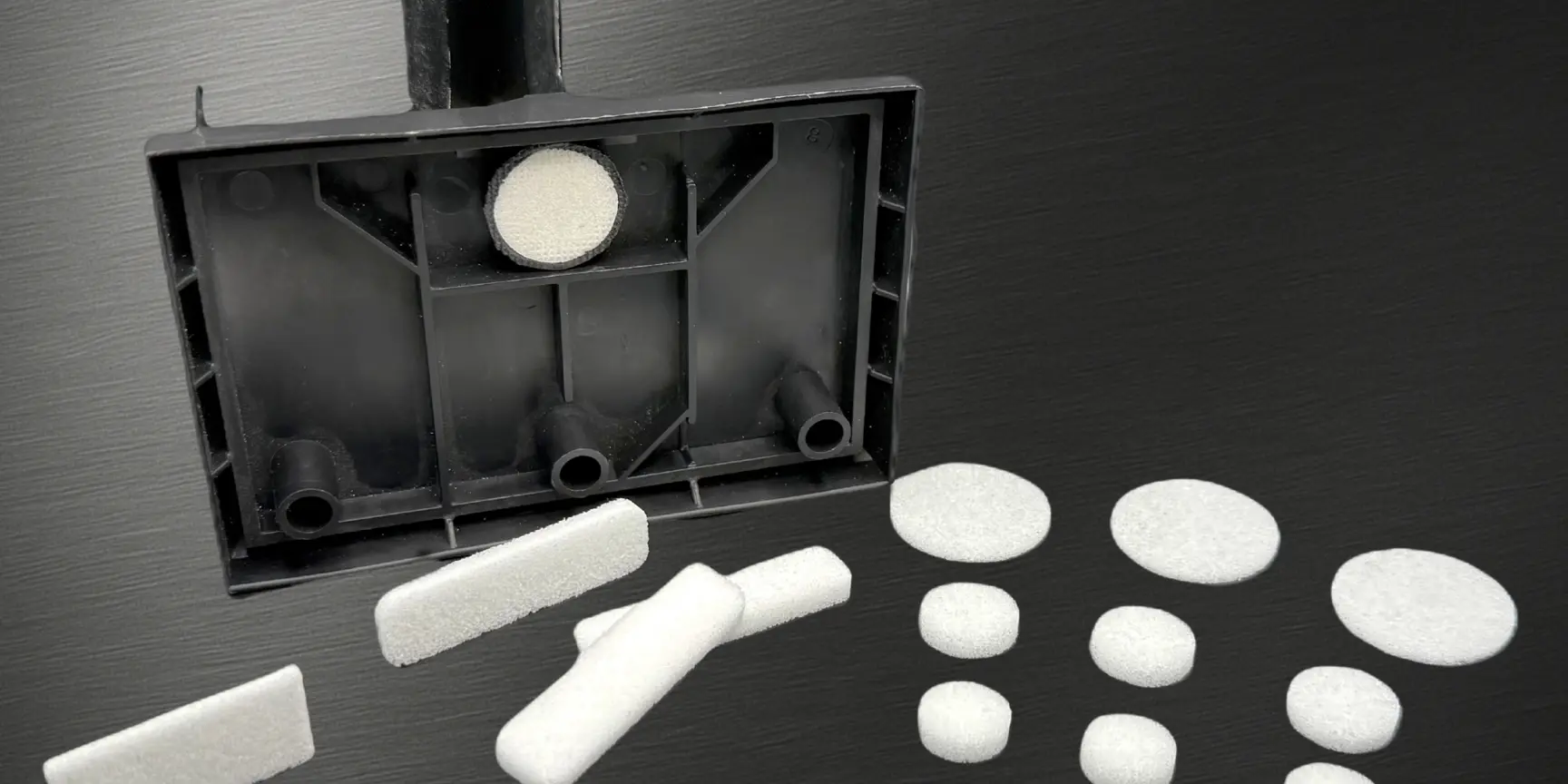
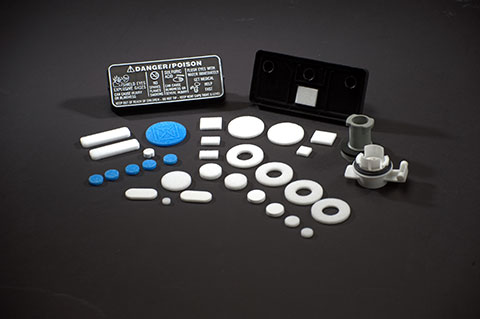
Lead-acid batteries require an effective way to vent gases produced during charging while protecting the battery from external ignition sources. Porous plastic battery vents, vent discs or flame-arresting vent plugs provide a controlled pathway for these gases while helping prevent an external spark or flame from propagating back into the battery.
M.A. Industries manufactures porous plastic flame arrestors for lead-acid battery applications using polyethylene (PE), polypropylene (PP), and combinations of polyethylene and polypropylene. Our experience with porous plastics began with battery vents for the lead-acid battery industry and has grown into more than 40 years of porous plastic manufacturing and development.
Discuss your battery vent requirementsM.A. Industries manufactures battery vents with average pore sizes ranging approximately from 30 to 150 microns, with components tested according to airflow in liters per minute at 10 inches of water pressure.
Lead-acid batteries can generate hydrogen and oxygen during charging, particularly during overcharging. These gases must be allowed to escape rather than accumulate inside the battery.
Proper venting is an important part of battery design. OSHA regulations for battery charging installations require ventilation sufficient to disperse gases and prevent the accumulation of an explosive mixture. OSHA also specifies that battery vent caps be maintained in functioning condition during charging.
Venting the battery can create an open path between the interior of the battery and the surrounding atmosphere, which can potentially allow an externally ignited flame to travel back toward gases within the battery.
Allow battery gases to escape at a controlled rate.
Interrupt the path of a flame or spark traveling toward the battery interior.
Provide the required airflow while maintaining appropriate back pressure.
Help limit the passage of electrolyte droplets and acid aerosols.
Provide a compact, chemically resistant component suitable for integration into the battery vent system.
Support the complete vent design specified and validated by the battery manufacturer.
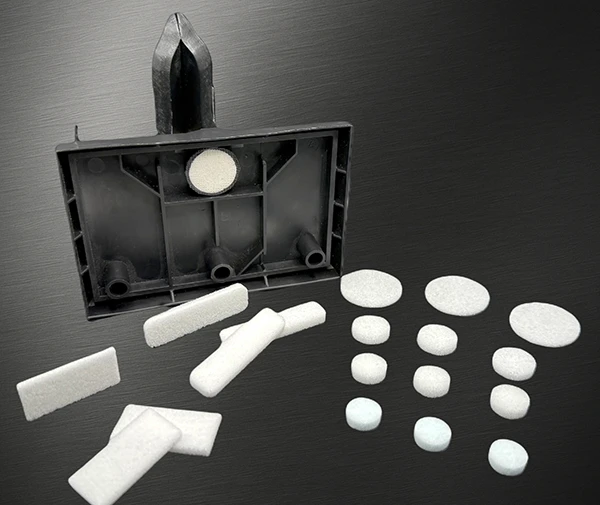
A porous plastic battery vent contains an interconnected network of small passages through which gas can flow. Unlike an open hole or simple mechanical vent, these interconnected pores create a circuitous path through the material. Gas generated inside the battery can pass through this porous structure, but the restricted passages interfere with flame propagation.
Research published in the Journal of Hazardous Materials examined both isolated openings and porous sintered discs used in battery vent plugs. The researchers reported a quenching diameter of approximately 0.25–0.28 mm for a stoichiometric hydrogen/oxygen mixture and found that sintered porous discs demonstrated flame-arresting behavior similar in principle to sufficiently small individual openings.
In a practical battery vent, however, performance is not determined by a single pore measurement. The complete porous structure, component dimensions, airflow characteristics and battery vent design work together to produce the required performance.
Pore size is frequently associated with porous materials, but airflow is the more useful functional specification for a battery vent. Rather than specifying a battery vent solely according to average pore size, M.A. Industries tests components according to airflow.
The required airflow is determined by the battery manufacturer based on factors including:
This performance-based approach allows the porous component to be engineered around the requirements of the finished battery rather than relying on pore size alone.
Polyethylene and polypropylene provide a useful combination of characteristics for battery vent applications. Both materials offer good chemical resistance for demanding industrial environments. They are also naturally hydrophobic, helping the porous component resist the passage of water and many liquids while continuing to allow gas flow.
That characteristic can help reduce electrolyte leakage and the escape of acid-containing droplets or aerosols. However a porous plastic battery vent should not be treated as the battery’s sole protection against acid leakage. Effective electrolyte management depends upon the design of the complete vent and battery system.
Sintered porous plastics also provide manufacturers with the ability to engineer component geometry, thickness, permeability and airflow for a specific application.

SAE J1495, Test Procedure for Battery Flame Retardant Venting Systems, establishes procedures for evaluating lead-acid battery venting systems. The standard covers SLI, heavy-duty, EV and RV lead-acid batteries and evaluates the ability of a venting system to retard propagation of an externally ignited flame into a battery during sustained overcharge conditions.
Battery designs do not all require the same porous battery vent. M.A. Industries can manufacture both standard and custom porous plastic components to accommodate different battery vent configurations and airflow requirements.
Standard battery vent samples are available for testing and design evaluation, and custom prototype tooling can be produced when an application requires a different size or geometry. Our in-house tooling capabilities allow engineering, prototyping and production to remain closely connected.
Once the appropriate component has been established, the same porous plastic manufacturing expertise can support high-volume production.
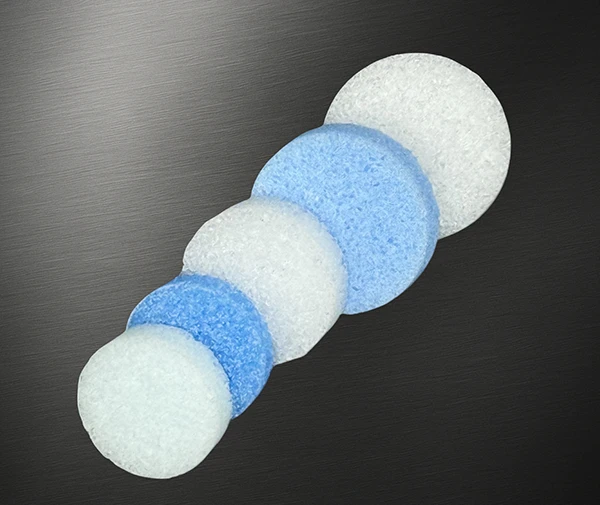
The development of M.A. Industries’ Porous Plastics Division began with polypropylene battery vents for the lead-acid battery industry.
Today, we manufacture porous polyethylene and polypropylene components for customers around the world from our Peachtree City, Georgia manufacturing facility. Our capabilities include material processing, in-house prototype and production tooling, analytical testing and high-volume porous plastic manufacturing.
For battery manufacturers and suppliers developing a new vent system or evaluating an existing battery vent, our team can provide standard samples or work with your specifications to develop a custom porous plastic solution.
Contact M.A. Industries