Porous Plastic Pipette Filters for Life Science
Porous plastic pipette tip filters help protect laboratory instruments and samples while allowing the airflow needed for liquid handling. M.A. Industries specializes in custom prototyping and manufacturing of porous plastic filters and vent products for life science companies worldwide.

Protecting Pipettes and Sample Integrity
During pipetting, small droplets and aerosols can travel from the sample toward the pipette’s internal components. Contamination inside the instrument can create a pathway for carryover into subsequent samples.
A pipette tip filter forms a barrier between the liquid sample and the pipette body. Positioned toward the upper portion of the disposable tip, its interconnected pores allow air to pass while helping capture aerosols and particles. This protection can reduce contamination-related cleaning and repeated testing, helping laboratories preserve valuable samples, reagents and time.
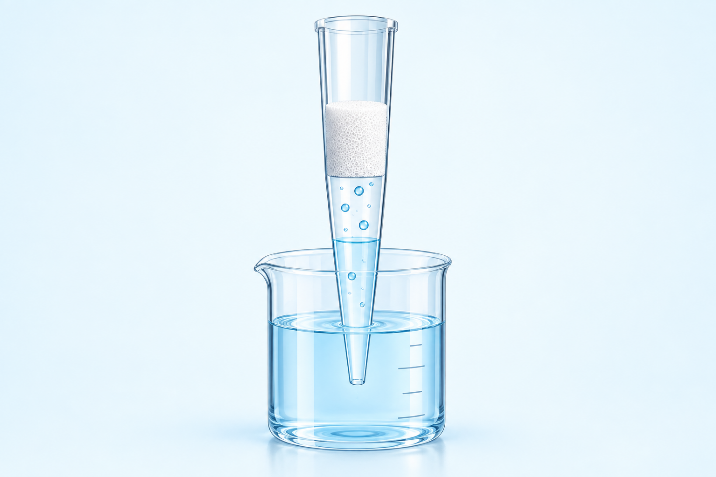
Filtered tips are particularly useful in applications involving:
- PCR and molecular biology, where contamination can interfere with sensitive reactions.
- DNA and RNA handling, where maintaining sample integrity is essential.
- Cell culture and microbiology, where sample carryover can compromise testing.
- Clinical laboratory workflows, where contamination control supports dependable results.
Why Porous Polyethylene?
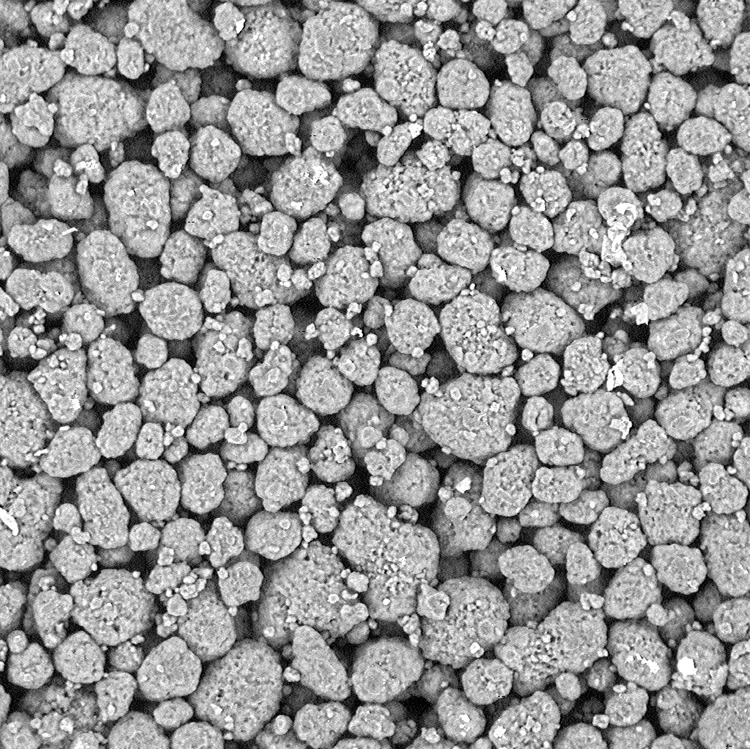
Porous polyethylene combines a solid polymer structure with an interconnected network of microscopic air passages. M.A. uses naturally hydrophobic high and ultra-high molecular weight polyethylene resins for its porous plastic products. Typical pore sizes range from 10 to 50 microns, depending on the material and application.
Hydrophobic materials resist wetting by water-based liquids, making them useful for pipette barrier filters. However, liquid resistance and aerosol protection depend on the complete filter design and operating conditions. Material selection is one part of achieving the required performance.
Designing a Filter Around the Pipette Tip
A pipette filter must work within the geometry and operating requirements of the finished tip. Filter dimensions and placement all influence performance, whether the tip is used in a manual pipette or an automated liquid-handling system.
Key design considerations include:
| Design consideration | Why it matters |
|---|---|
| Filter diameter and fit | A secure fit helps limit bypass around the filter. |
| Filter length and placement | The filter must accommodate the intended liquid draw volume. |
| Pore structure | The inherent structure of porous filters facilitates a controlled draw into the pipette while maintaining sample integrity. |
| Material cleanliness | Material-related contaminants can interfere with sensitive analytical methods. |
| Dimensional consistency | Repeatable fit and airflow are important across production quantities. |
These factors should be evaluated together rather than selecting a filter by pore size alone.
From Custom Prototype to Production
M.A. Industries builds prototype and production tooling in its in-house CNC machine shop. This capability supports custom filter development and gives the team control over tooling schedules as a project moves toward manufacturing.
M.A.’s ISO 9001:2015-certified operation includes a life science production facility with clean-room filtration and personnel gowning protocols. Packaging options include vacuum sealing, anti-static inner bags and moisture-barrier mylar bags.
For a new pipette tip design, a useful starting point is the component drawing, intended liquid volume, and anticipated annual quantity. Prototype evaluation can then focus on how the filter performs within the assembled tip under the customer’s intended operating conditions.
Discuss Your Pipette Filter Project
Developing a new pipette tip or reviewing an existing filter design? Contact M.A. Industries to discuss your specifications, prototyping needs and production requirements.
Discuss your pipette filter projectCall 1-800-241-8250 or email sales@maind.com.