Hydrophobic Porous Plastic Filters in Life Science and Medical Applications
In laboratory instruments and medical devices, managing air can be just as important as managing liquids. A pipette needs airflow to draw a sample. A catheter chamber needs to release displaced air. A collection system needs a barrier between collected fluid and its vacuum connection.
Hydrophobic porous plastic filters help address these requirements by combining an interconnected pore structure with water-repellent material properties. Properly designed components allow air to move while resisting the passage of aqueous liquids.

What Are Hydrophobic Porous Plastic Filters?
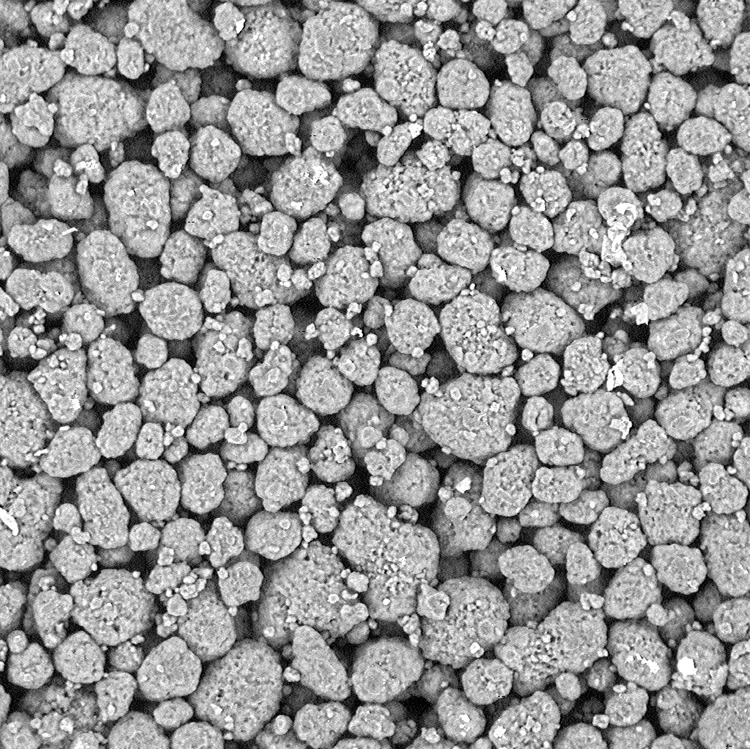
Hydrophobic porous plastic filters contain a network of connected microscopic pores. Air and gases can travel through these pathways, while the material’s resistance to wetting helps limit water-based liquid entry.
M.A. Industries uses naturally hydrophobic high and ultra-high molecular weight polyethylene resins for life science products, with typical pore sizes ranging from 10 to 50 microns.
Hydrophobicity does not make a filter impermeable under every condition. Liquid can enter when the pressure exceeds the material’s liquid-entry threshold. That threshold depends on the pore structure, surface properties, and the liquid itself. Selecting a filter therefore requires matching its performance to the intended operating conditions.
Understanding Hydrophobic vs Self-Sealing Filters
The choice depends on what the device must do after liquid contact. Does it need to continue venting, resist a brief splash, or permanently stop flow? Defining that behavior early helps guide material selection and testing.
Hydrophobic Filters
A hydrophobic filter resists liquid entry through its surface properties and pore structure. This makes it useful where a device needs airflow together with resistance to aqueous liquid penetration.
Self-Sealing Filters
A self-sealing porous plastic filter adds another function: a formulation designed to close the pore pathways after contact with a specified liquid. Before activation, the component allows gas flow; after activation, it acts as a shutoff barrier.
Life Science Applications: Pipette Tip Filters
Porous polyethylene pipette tip filters provide an aerosol barrier between the sample and the pipette body while allowing the airflow needed for aspiration and dispensing. Their interconnected pathways create a winding route through the material that can retain droplets without relying solely on a simple sieve effect.
For laboratory applications, important performance goals include:
- Reducing aerosol transfer into the pipette.
- Maintaining airflow compatible with accurate liquid handling.
- Providing consistent fit within the disposable tip.
- Meeting the cleanliness requirements of the intended assay.

Aerosol retention must be evaluated for the specific filter and tip assembly. Hydrophobicity or nominal pore size alone does not establish filtration efficiency.
Explore M.A. Industries’ porous plastic pipette filters for Life Science applications.
Medical Applications: IV Catheter and Cannula Vents
When blood enters an IV catheter’s flashback chamber, displaced air needs an exit. A vent provides that route, allowing the chamber to fill while helping control liquid escape.
Porous vent components can be engineered around the airflow and liquid-barrier requirements of the device. Where the design requires flow to stop after blood reaches the vent, a suitable self-sealing formulation may be selected.
This application illustrates why airflow and liquid containment need to be considered together. The component must release air at the required rate and provide the intended barrier when fluid reaches it. Performance must be confirmed within the assembled catheter.
Suction Canister Vents and Medical Fluid Management
Suction collection systems need to move air while containing collected liquids. Porous plastic components can serve as venting and shutoff elements between a collection chamber and downstream vacuum equipment.
Self-sealing suction canister filters are designed to permit airflow before activation and stop flow when contacted by liquid. This function can help protect downstream vacuum systems from fluid carryover.
M.A. Industries also identifies wound drainage and fluid management systems among its life science applications. Each design needs a defined response to fluid contact, whether that involves ongoing venting, resistance to liquid intrusion, or an intentional shutoff.
Selecting the Right Hydrophobic Filter for a Medical Device
A useful specification describes how the component must perform inside the device. Key considerations include:
| Design consideration | Performance requirements |
|---|---|
| Liquid resistance | Performance with the actual fluids, pressures, and exposure times. |
| Geometry and assembly | Dimensions, sealing surfaces, and prevention of bypass around the filter. |
| Material compatibility | Effects of reagents, cleaning solutions, and biological fluids. |
| Processing and service life | Performance after sterilization, storage, and aging. |
Alcohol-containing solutions and surfactants can change wetting behavior, so clean-water testing may not represent the application. Likewise, sterilization compatibility must be evaluated for the selected material, process, and finished assembly.
Custom Porous Plastic Filters from Concept to Production
Developing a custom filter begins with the application: what must pass through, what must be retained, and how the component should respond to liquid contact.
M.A. Industries works with customers through porous plastic prototyping and manufacturing, helping translate these requirements into a component that can be evaluated and refined before production. In-house prototype and production tooling supports development around material, pore structure, dimensions, flow, and assembly needs.
M.A.’s life science manufacturing takes place in a controlled environment with clean-room filtration and personnel gowning protocols. Its ISO 9001:2015-certified quality management system supports consistent manufacturing.
Whether you are developing a pipette tip filter, an IV vent, or a medical fluid management component, early collaboration helps connect functional requirements with a practical production design.
Discuss Your Hydrophobic Porous Plastic Filter Application
Discuss your hydrophobic porous plastic filter application with M.A. Industries.
Contact our team, call 1-800-241-8250, or email sales@maind.com.